
A Catholic grammar school is in the legal and financial firing line over the actions of a notorious sex abuser and former principal despite the present set up and management having no connection to those in charge decades ago.
Legal representatives of victims are threatening to issue a statutory demand against St Colman’s College in Newry a year after Dromore Diocese promised in the High Court to pay over £1m to five victims of serial abuser Malachy Finegan. So far the Diocese has failed to pay the compensation.
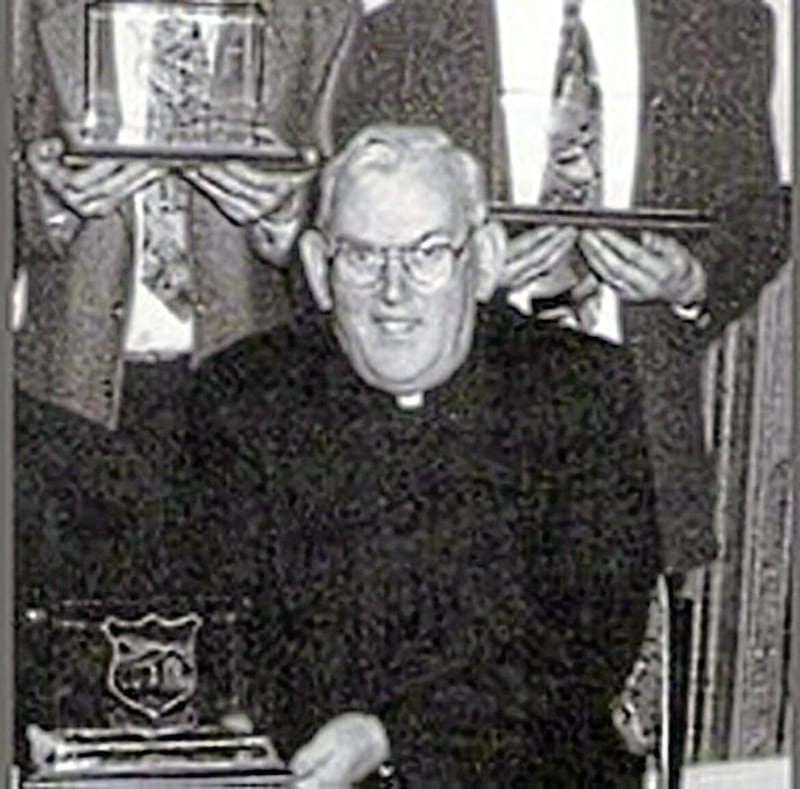
Finegan was a teacher in the school before being appointed principal in the mid 1970s. He was removed from the position in 1987. He later abused boys after being placed in parishes in the diocese. He died in 2002.
During the 70s and 80s, unlike now, the board of governors was led by and largely controlled by the Diocese, while priests held most of the school’s leadership positions.

The school is a co-defendant in successful actions taken by victims of Finegan, but previous settlements were paid by the diocese and costs covered.
However, in early 2025 the Diocese “severed” its legal ties to the school, effectively leaving the Armagh Road institution to defend itself separately.
Five of Finegan’s victims then settled actions for approximately £1.2m in September and October last year, but the Diocese failed to meet a pre-Christmas payment deadline.
In February, the High Court granted a request for a moratorium on other claims for damages, while the Chancery Court was asked to decide whether parish property can be sold to help meet liabilities. This process is ongoing.
“It is just continuing the torture and trauma that we thought would be over this time last year,” said one of the five victims awarded the as yet unpaid damages.
Claire McKeegan, a solicitor for the five victims, said the “survivors take no joy in seeking to enforce this judgment against the College”.
- Fr Malachy Finegan victims awarded £1.2 million in damagesOpens in new window
- Malachy Finegan: Diocese severs ties with Newry school in legal actions involving prolific child sex abuserOpens in new window
- Victims of serial abuser face ‘further harm’ following fresh delays over settlement payments, says solicitorOpens in new window
“This situation has come about due to the failure of the Diocese to pay settlements which they agreed,” Ms McKeegan, of Phoenix Law, said. The diocese, currently under the administrative control of Archbishop Eamon Martin, was contacted for comment.
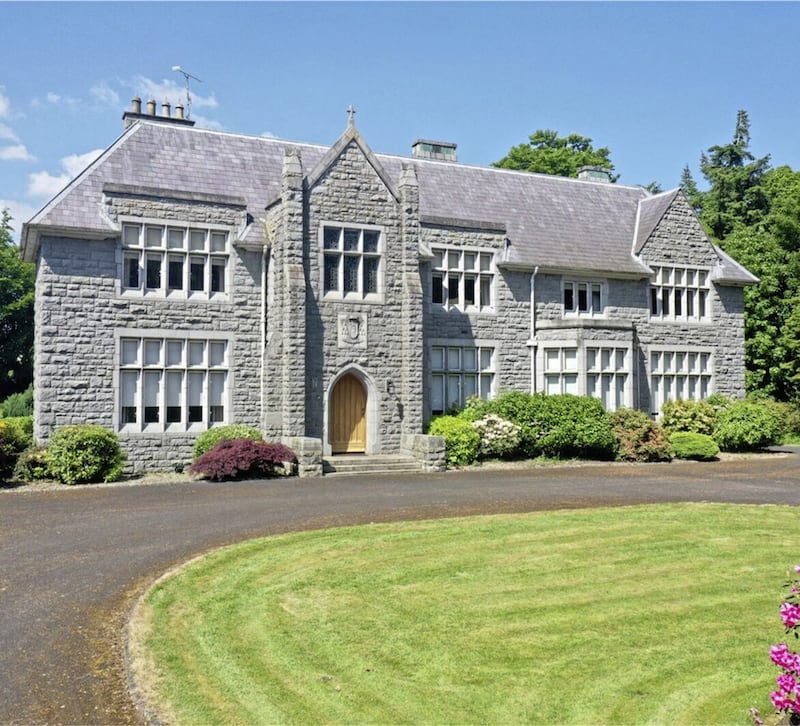
The diocese had hoped the sale of the Bishop’s House and adjoining 27 acres of land close to the school could be sold to help pay settlements.

While the house was sold for an undisclosed sum, and items linked to the building auctioned off, the lands remain on the market.
In a statement, the St Colman’s Board of Governors said it is “inappropriate to make specific comment on the legal proceedings which remain before the court at this time and the issues which exist between the parties before the court”.
The board added that it “condemns in the strongest possible terms the physical, sexual and emotional abuse inflicted by Malachy Finegan when he was placed in the College as teacher and President and remains steadfast in our support of the victims”.
“The Board of Governors is aware that while this abuse took place over three decades ago, victims and their families carry its impact with them throughout their lives,” the statement read.
“The abuse that Malachy Finegan inflicted is the antithesis of all that the College stands for in terms of its aims, objectives, ethos and culture and it is a matter of absolute regret and sorrow that such behaviour should ever have occurred in St. Colman’s College.”
The victim of Finegan said there was “no warning” the diocese was going to legally halt payments by going through the Chancery Court.
“It came as a devastating blow that we have to live with day and daily....there is terrible frustration and anxiety,” he said.
He added that an apology delivered by Archbishop Martin following last year’s settlements has been rendered “meaningless”. There has been no other engagement or communication with the victims, he said.
“When they made the settlements, they should have known they were never going to be able to pay them,” the victim, who was physically and sexually abused by Finegan, said.
The failure of the diocese to honour the settlements is “morally wrong”, Ms McKeegan said.
“These cases and judgments were not some surprising development,” she added.

“Instead there has been a moral failure on the part of the Diocese, and ultimately the Catholic Church in Ireland, to arrange their affairs to ensure proper and rightful compensation is paid to survivors of abuse perpetrated by a priest who used his position in the church to abuse children.”


